![]() |
|||||||||||||||||||||||||||||||||
|
|||||||||||||||||||||||||||||||||
Improving efficiency of starch coating process |
|||||||||||||||||||||||||||||||||
|
|
|||||||||||||||||||||||||||||||||
|
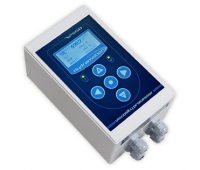
Online viscometers from Hydramotion have solved a long-standing viscosity measurement problem for a paper recycling operation of leading global packaging manufacturer Amcor Limited.
Viscosity measurement used to be a problem at Amcor’s Fibre Packaging plant in Port Botany, Sydney, which receives and processes around 50% of the waste paper collected in New South Wales. Since the paper is 100% recycled the base sheet is coated with starch before the final drying stage to give it the necessary strength. Amcor uses a refined acidified wheat starch slurry, which is cooked at 140°C and run into a service tank. From there it is pumped up to the size press and applied to the paper. The excess is pumped back into the service tank, making a closed-loop system. The viscosity of the starch directly affects the degree of penetration and hence the efficiency of starch usage. For some grades the starch has to penetrate the paper, so a lower viscosity is required. Other grades are optimised by providing a surface coating to the sheet, requiring less penetration and therefore higher viscosity. The aim is to ensure uniform viscosity during production and hence the most efficient use of starch. In the past Amcor could only check starch viscosity by conducting spot tests with a rotational viscometer. At best these tests were only done four times a week, so it was impossible to tell whether process problems were starch-related or had some other cause. There was a clear need for continuous viscosity monitoring using an online instrument. Blade-type viscometers were tried but these proved unreliable and tended to block up. They needed constant cleaning, so bypass lines had to be installed to enable them to be cleaned on the run. The weekly maintenance required was both time-consuming and highly inconvenient.
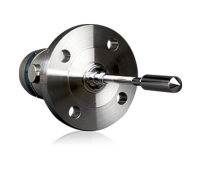
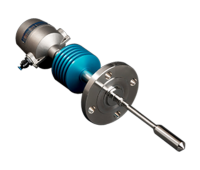
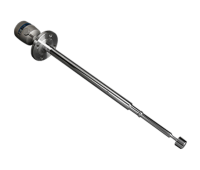
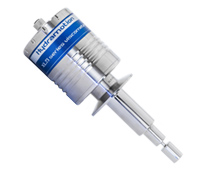
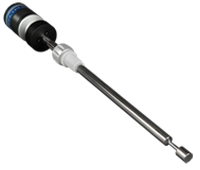
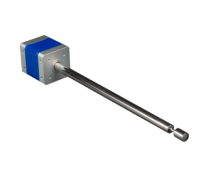
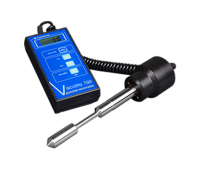
As soon as the XL7 came on line Amcor was able to measure viscosity continuously in real time without interruption. Encouraged by the successful results, the company went on to install a second XL7, this time on the fresh starch line exiting the cooker/converter in order to monitor cooking efficiency. “Both installations were very easy,” commented Paul Chappell, Technical Manager at Amcor. “These devices are extremely easy to use. Basically just plug them in and that’s it. We run ours back to a PLC and trend starch viscosity online on each of our two paper machines.”
By careful selection of instrument location cleaning has been reduced to a single, once-a-year operation which can be carried out alongside routine servicing of the lines. The viscometers have not needed any other maintenance. “The performance has been excellent. We have not had any issues to date with these devices,” Chappell added. “The operators have come to trust them and use them to optimise the process.”
|
|||||||||||||||||||||||||||||||||
| Links | |||||||||||||||||||||||||||||||||
|
|
|||||||||||||||||||||||||||||||||