![]() |
||||||||||||||||||||||||||||||
|
||||||||||||||||||||||||||||||
Viscosity control solution for Ricoh UK |
||||||||||||||||||||||||||||||
|
|
||||||||||||||||||||||||||||||
|
RPL is a subsidiary of Ricoh Company Limited in Japan, the world’s leading manufacturer of office automation equipment. Established in 1984, it was Ricoh’s first production plant in Europe, making plain-paper photocopiers and associated products such as organic photoconductive drums and toner. Ricoh has since established two other production facilities in the UK, Ricoh Wellingborough Ltd and Sterling GR Advanced Materials. Ricoh was researching into organic photoconductor (OPC) technology as far back as 1970. In 1972 it began development of the OPC drums that are now a key component of the company’s latest digital copiers. RPL is Ricoh’s only OPC production facility outside Asia, producing 30mm, 60mm and 100mm diameter drums. Each of RPL’s two lines can produce up to 22,000 drums per month. In the first stage of production, aluminium cores are automatically loaded onto a lathe where they are machined to the correct thickness and surface finish. The drums are then given an initial inspection before being transported via conveyor to a degreasing line, which removes any remaining swarf, grease or coolant from the machining process and leaves the drums clean, dry and ready for coating with photoconductive material. Three different layers of coating are applied to each drum. It is vital that each layer is applied uniformly and to the correct thickness. Since this depends on the flow characteristics of the coating solutions, maintaining the correct viscosity directly affects the quality of the finished product. This is where Hydramotion viscometers are proving invaluable. |
||||||||||||||||||||||||||||||
|
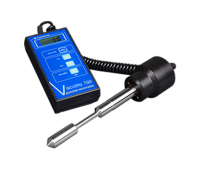
A hand-held Viscolite VL700 is used to make a preliminary check of the viscosity of the coating mix, which is made off-line and used to supply the process dipping tanks. Measurement is quick and simple: “We simply take a 500ml sample in a glass jar and insert the probe into the liquid,” says Production Engineer Matt Surmacz. The Viscolite gives engineers an instant viscosity reading. This simple procedure ensures that the coating solution has the required properties right from the start. |
||||||||||||||||||||||||||||||
![]() |
||||||||||||||||||||||||||||||
|
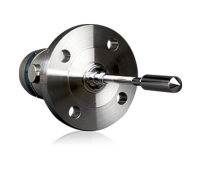
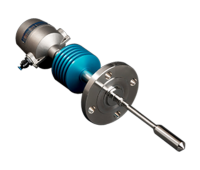
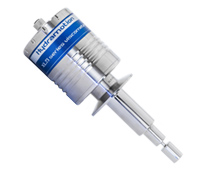
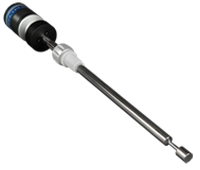
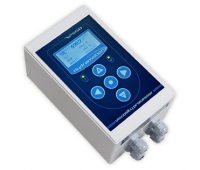
The coating stage, known as “dipping”, is carried out within a clean room, which is classed as a Hazardous Area because of the flammable materials used. The drums are lifted from a central conveyor by robot and dipped slowly into tanks containing organic polymer-based coating solutions. A Hydramotion XL7 in-line viscometer is permanently installed on the dipping tank, enabling production staff to monitor the process liquid viscosity constantly. |
||||||||||||||||||||||||||||||
![]() |
||||||||||||||||||||||||||||||
|
This instrument also gives its measured output value to a PLC program that automatically dilutes the dipping liquid back to the required viscosity to compensate for solvent evaporation during the process. “The maximum viscosity we have to measure is 500 centipoise. It’s controlled at two different settings plus or minus 3 centipoise, depending on the product we’re making,” explains Matt Surmacz. The liquid is kept to within a degree of 20°C. “It is critical that the liquid is at the required viscosity at both the mixing and process dipping stages, because there is a direct relationship between the viscosity and temperature of the liquid and the robot dipping speed. If any of these set-points are incorrect the coating thickness of the drum will be too thin or too thick and the drum will be scrap.” During the final stage of production the drums are visually inspected before being passed to the flange assembly machine, where a flange is inserted at each end. The drums then receive a final re-inspection before being wrapped in black light-protective sleeves and boxed ready for sale. “We learned about Hydramotion through recommendation of our existing viscometer supplier at the time,” said Matt Surmacz. “We decided to purchase the instruments from Hydramotion as they were suited to our process requirements and were easy to use, giving an instant reading. They gave us the facility to put a live digital display in the Hazardous Area for the operators to monitor the viscosity, and they also gave us the facility to integrate it with our PLC software for the automatic dilution system. This system now gives us a stable dipping process with no fluctuation in the viscosity. With a set lifter speed and liquid temperature we can now run this process with great efficiency.” Before discovering Hydramotion, Ricoh had to depend for viscosity measurement on an offline rotational type. This had a number of disadvantages: it could not be integrated into the automated system and it had to be located in a lab away from the dipping process. Operators would lose time analysing the liquid, and repeatability sometimes proved difficult because of the small sample size and the evaporation of solvent. “The Hydramotion viscometers are easy to use,” says Matt Surmacz, “and they give us instant results for our process liquids. They were easy to install using the hygienic fittings and clamps, and have required no maintenance. The only check we carry out is a measurement of a known viscosity standard every month to confirm their accuracy.” These checks have only served to reinforce the company’s faith in Hydramotion. “Since the viscometers were installed they have proved to be 100% reliable, with no fluctuation on the measurement of our liquids,” Matt Surmacz said. “We would definitely recommend them to other companies considering buying them.” |
||||||||||||||||||||||||||||||
| Links | ||||||||||||||||||||||||||||||
|
|
||||||||||||||||||||||||||||||